Indika: Surreal, philosophical puzzle-adventure with dark humor and surreal architecture
INDIKA, from Odd Meter, casts the player as a young nun sent beyond her monastery into a distorted late 19th-century Russia to examine faith and authority. The game pairs third-person exploration with environmental puzzles and cinematic storytelling, using fish-eye camera angles and 2D pixel-art flashbacks to reveal backstory. Its mechanics include perception-based puzzles and a deliberately 'pointless' Faith skill tree as meta-commentary. It targets players of narrative-driven indie titles who prefer philosophical, arthouse experiences.
What kind of game is Indika?
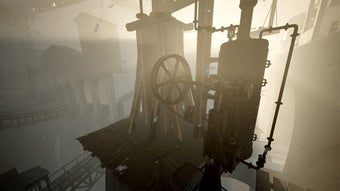
So, Indika is a third-person, story-driven adventure that places a young nun in a distorted late 19th-century Russia, forcing moral decisions through exploration. The player moves through architectural surrealism and cinematic scenes where environmental puzzles advance the narrative rather than serve as detached challenges. The result is a philosophical puzzle-adventure that ties choices and perception to the protagonist’s inner conflict with a mocking devil voice.
Is it strictly a single-player, linear experience?
Yes, the game presents a single-player, linear path with a singular ending, making narrative delivery the priority. Mechanics include perception-based environmental puzzles and brief 2D pixel-art mini-games that represent memories. The title also features a Guilt/Shame skill tree labeled as intentionally 'pointless,' a deliberate meta-commentary on religious observance and game mechanics rather than a traditional progression system.
What does the game look and sound like?
Thus, its visual design leans into architectural surrealism and cinematic framing, using fish-eye lenses and unconventional camera angles to create unease. Audio and writing receive explicit praise from users and critics, with voice acting singled out in feedback. The blend of dark humor, tragic themes, and period setting forms an atmosphere that supports the story’s philosophical intent rather than pure spectacle.
Is it hard to get started and does it replay well?
Some sections require careful observation and logical leaps, so the puzzles reward attention more than mechanical dexterity. The experience is concise, most playthroughs take four to six hours, so replayability depends on whether a player values the narrative and atmosphere. Players noted the short duration and occasional technical glitches, which reduce incentive for multiple runs despite the game’s distinct tone and thematic depth.
Indika suits contemplative players who accept ambiguity and focused narratives
Indika is a thoughtful, contemplative choice for players who seek mature, philosophically driven stories and are comfortable with ambiguous outcomes. It demands patience and interpretive engagement rather than conventional mechanical rewards. Players who prefer clear progression or extended gameplay sessions may find it less satisfying. For readers of narrative and architectural atmosphere, it offers a concentrated, thematically focused experience and invites careful reflection.